

The Other Dangers
Better Roads Staff
2 Don’t Be Complacent
On a jobsite that requires a rigid attention to detail, sometimes the simplest – and most important – safety practices can go overlooked. Many times, road crews forget to go back to the basics and become too comfortable when working around traffic.
“Something I commonly share in safety meetings – and perhaps the best advice – is to always use caution,” Sterndahl says. “Employees who have worked around high-speed traffic for many years almost get immune to it. This can create a dangerous situation if they become so used to it that they don’t practice caution.”
One way to counteract this complacency is for the jobsite managers to talk to their crews and prepare them for each jobsite and the dangers they could encounter.
Sterndahl has tailgate safety meetings specific to each jobsite, and they have companywide monthly safety meetings. New employees also receive jobsite and classroom training. “It creates a mindset in the new employee that they have an obligation to learn,” Sterndahl says. “By design, we’ve minimized the number of work-place injuries.”
Another factor in avoiding numbness to the job is for crews to remember where they are and to keep a watchful eye on the passing cars. Although it may sound simple, many accidents go back to this advice, Turmail says. “Beware of distracted drivers,” he says. “They’re dangerous anywhere, but when it comes to a work zone, they are even more dangerous.”
3 Barriers, Not Chairs
Often referred to as Jersey bumps, walls or k-rails, concrete barriers can be an effective way of separating workers from motorists or for re-routing traffic.
Sterndahl’s team has expanded their use of these fixed barriers wherever possible, and he urges others to do the same. “If the DOT will allow it, use more Jersey walls to keep traffic out of the work zone,” he says.
These sturdy dividers help direct drivers, and the same should be true for the crews. However, in some reported cases, workers have viewed these barriers as a place to relax, which can be a fatal mistake.
Sterndahl says he has heard of employees sitting on the protective barriers between the work area and traffic on their break. “That’s a classic mistake you wouldn’t your employees to make,” he says.
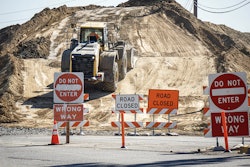
To help the barriers stand out even more along roadways, and serve as a reminder that they are not chairs, road crews can paint them a color that stands out from the background or install reflectors, lights or light tubes. These barriers can be effectively used in conjunction with other traffic-control devices such as warning signs to prevent drivers from getting too close.
4 Keep Communication Lines Open
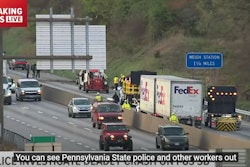
If a rogue vehicle were to make its way into the work zone, it could obviously do a lot of damage and cause serious injuries. How information about ‘rogue’ dangers is relayed to the crew could save lives.
MORE FROM Applications & Innovations
MORE STORIES
POPULAR
COLUMNS
BLOGS
- Obama signs memorandum to expedite infrastructure projects666 Views
- Florida’s Red Light Camera Game: G R E E N orange R E D392 Views
- Sydney uses water curtains to alert drivers to stop (VIDEO)389 Views
- Seattle tests bikes as disaster relief (VIDEO)330 Views
- FHWA deploys bridge-inspecting robots295 Views