

Road Science
Better Roads Staff
He also calculated emissions benefits. “Because the project was in an urban environment, the 15,800 pounds of NOx that was not put in the environment made a lot of the people in the area a lot happier,” he says.
“That is because our mountain-and-valley areas are subject to inversion layers in the atmosphere, which trap all the smog down low. Anything they can do on a construction project to lessen that impact is a benefit to everyone.”
But today’s tools permit much greater detail in sustainability benefit reporting. Here are a few of them.
PaLATE Within Greenroads
One useful eco-calculator is found within the Greenroads certification system. As described last month, the Greenroads Rating System is a certification process for sustainable roadway and bridge construction projects, not unlike the Leadership in Environmental Excellence in Design (LEED) system for certifying buildings and developments.
Greenroads rates a project’s sustainable elements in seven categories: Project Requirements, Environment and Water, Access and Equity, Construction Activities, Materials and Resources, Pavement Technologies and Custom Credits. Accumulated points will position a project for one of four levels of certification: Bronze, Silver, Gold and Evergreen.
Under Greenroads, points may be accumulated by use of the environmental sustainability calculator PaLATE v2.2 as modified for Greenroads, or an approved equivalent. The idea is to incorporate – in advance – energy and emissions information into decision-making for pavement design alternatives.
Emissions of greenhouse gases are typically expressed in a common metric so that their impacts can be directly compared, as some gases are more potent (i.e., have a [presumed] higher global warming potential) than others, according to the Environmental Protection Agency. Thus the international standard practice is to express greenhouse gases in carbon dioxide equivalents (CO2e).
With PaLATE 2.2, for points to be obtained, a lifecycle inventory for the final pavement design alternative for the project should report total energy use and global warming potential in CO2e.
Inputs include:
• Total weight and types of virgin materials. This includes aggregates, binders, base materials and structures, according to Greenroads. These amounts can be design estimates or constructed totals.
• Total weight and types of recycled materials. PaLATE v2.2 models emissions and energy for several types of materials
• Expected transportation distances for all materials. This means distances from source to production as well as from production to site. Transportation of waste to disposal is also included.
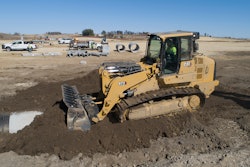
• Expected construction vehicle types. These include, but are not limited to, pavers, mixers, hauling vehicles, excavators, rollers and finishing equipment. Obviously use of the new mobile equipment meeting Tier 4-interim emissions guidelines would be a plus.
• Estimated design life. This should reflect the same input data as used in Greenroads Lifecycle Cost Analysis section.
• Scheduled years and expected type of maintenance. Likewise, Greenroads suggests use of the same input data as used in its Lifecycle Cost Analysis, and meet project specs provided for its pavement and site maintenance plans.
MORE FROM Featured Articles
MORE STORIES
POPULAR
COLUMNS
BLOGS
- Sydney uses water curtains to alert drivers to stop (VIDEO)823 Views
- Obama signs memorandum to expedite infrastructure projects588 Views
- Florida’s Red Light Camera Game: G R E E N orange R E D347 Views
- Acceptance of connected vehicles depends on cost, LaHood says259 Views
- Cities rethink transportation due to drop in young drivers247 Views