


Financial District: Long Tunnel, No Light

63 percent had to layoff permanent employees this year

More than three quarters of the responding firms anticipate either a “slight” (46 percent) or “severe” (32 percent) decline next year in state markets in which they work

More than 76 percent of the responding firms expect state transportation departments to put out less work to bid next year than they did this year

Only 17 percent of transportation contractors will begin 2010 with a work volume backlog at least as large, by value, as they had at the beginning of this year. A little less than 20 percent will begin the new year with at least 50 percent less backlog than last year and 33 percent report the value of their work backlog will be 25 to 50 percent less going into 2010

Almost 80 percent of road and transit builders expect construction market decline next year

Just five percent anticipate bringing on new, non-seasonal personnel.

Contracting companies are being “extremely cautious” in their bidding and hiring practices, said Simonson, aware that after stimulus money is gone there is no certainty or predictability in future federal funding. They are also worried about state funds, and Simonson’s own prediction is that state funds will decrease next year.

A six-year bill is needed to change this “mindset” among contractors said ARTBA economist and vice president of policy Alison Premo Black. “The situation is having a profound psychological impact on contractors. I think that is what this survey is about.” Congress, she said, can change this psychological outlook with a new six-year bill which will allow contractors to plan some years into the future, something many are now not doing. “The momentum generated by the stimulus would be in peril” without a new bill, she said

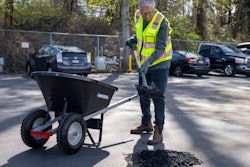
Terex chief DeFeo suggested another mindset might be at work, this time in Washington, as politicians resist broad calls to raise the gas and diesel tax to pay for future infrastructure building. The decision makers of the FDR and Eisenhower years built infrastructure so that America could grow, he said, but present generations have been more used to using infrastructure that building it. “Now we are just filling potholes in my view.” That has lead to a failing infrastructure, he said, “that puts people in harm’s way.”

One factor making life even harder for highway and bridge contractors is the movement of contractors from other fields searching – and bidding – for new sources of work. The result is that “competition is as fierce as we have ever seen it,” said Black, with bids coming in as much as 25 percent or more under engineers’ estimates. Dean Word said his transportation construction company has seen bids 50 percent below engineers’ estimates.

View Full Article
comments powered by Disqus
advertisement
advertisement
advertisement