

Financial District

Better Roads Staff

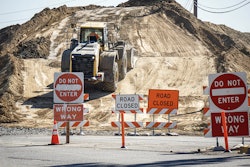
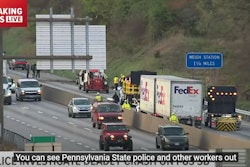
Virtually every construction firm – 93 percent – reports that traffic and congestion are affecting their operations. Meanwhile, nearly two-thirds of firms lose at least one day of productivity per worker per year due to traffic congestion. That is more than 3.7 million days of lost productivity in the construction industry each year.

72 percent of construction firms report that delays caused by traffic tie-ups delay the average construction project by at least one day. And one-in-three firms report that traffic delays add a minimum of three days to the length of the average construction project.

Nearly three-quarters of contractors say congestion adds more than one percent to their total costs each year. And one in 10 report that traffic tie-ups add 11-percent or more to their cost of doing business.

In an industry suffering from a 20-percent decline in construction activity nationwide over the past two years, the last thing contractors need is to burn time, fuel and money stuck in traffic, said Sandherr.

Without a long-term bill and the multi-year funding guarantees it sets, he said, it is virtually impossible for states to plan the complex, long-term highway and transit projects needed to add capacity and cut congestion. Instead, states have little choice but to invest much of their money in short-term repaving and repair projects.

Washington could cut traffic and boost economic activity without adding to the deficit because the program relies on self-funding user fees, said Sandherr. (Most notably fuel taxes – Ed.) “In today’s political environment where voters are worried about jobs and the deficit, passing legislation that creates construction jobs, boosts our economy and doesn’t add one cent to the deficit ought to be a no-brainer.”v


The Land of the Lost

By John Latta

We are stalled.

The bridge and highway industry and the state and local agencies continue to press for a six-year surface transportation bill because it is the only way to a healthy industry and adequate transportation infrastructure. Washington agrees, but says there is no adequate way to fund it (although there is and politicians simply won’t vote for it).

We are in a standoff situation.

This stalemate is the new reality. It is an interim situation between two six-year pieces of legislation, but it is not a passive situation. It is influencing the way road building is pursued right now and will continue to do so for some years. While frustration levels rise, there is also a possibility that we have a new status quo.

View Full Article
comments powered by Disqus
advertisement
advertisement
advertisement