



Advice from the Top Winter Maintenance Leaders: Extreme Equipment Maintenance and Fleet Management
This is especially true when it comes to equipment maintenance and electronics. By not maintaining the electronics or not following protocol, a potential safety liability has been created. “There are so many safety sensors, from a car to a dump truck to of-road equipment,” Scharffbillig says. “If you do any alterations to it, you’ve accepted a liability.”
Scharffbillig gives two examples. The first, he says was drilling a hole in the rollover protection (ROPs) on a loader to hang a coat in the back of the seat. The Occupational Safety and Health Administration (OSHA) were doing and inspection found that the safety equipment was altered and told Scharffbillig’s agency that it had to re-weld along with having it re- inspected for to make sure that the integrity of the device was still there.
A second and more serious example was a stuck trailer hitch receiver on a vehicle. “We put a chain around it and hooked it to a pole to pull the receiver out,” he says. “This used to be common practice in the feild.” But what seemed like no big deal actually created a problem. “We jerked so hard that all the airbag sensors went off,” Scharffbillig points out. “An airbag went off and gave the operator a black eye and knocked off the operator’s glasses. We ended up spending $5,000 to $6,000 to just repair the airbags, and we didn’t even hit anything.”
The lesson learned? “Think before you act. If someone runs into a snow drift or drills into equipment to mount an attachment, you need to understand what could happen and where all the electronics are.”
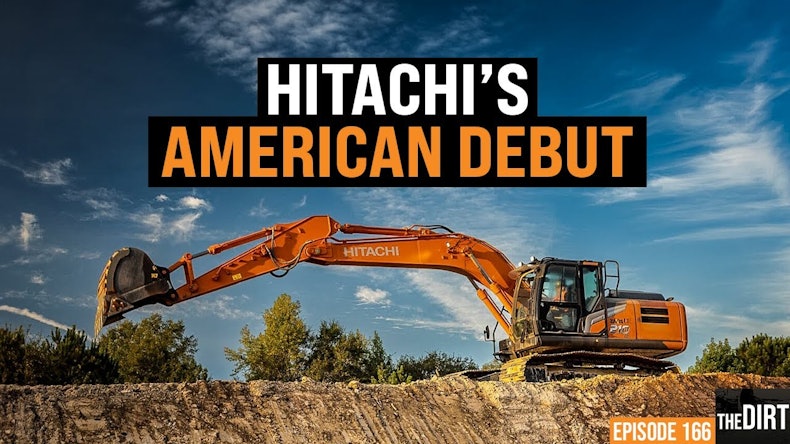
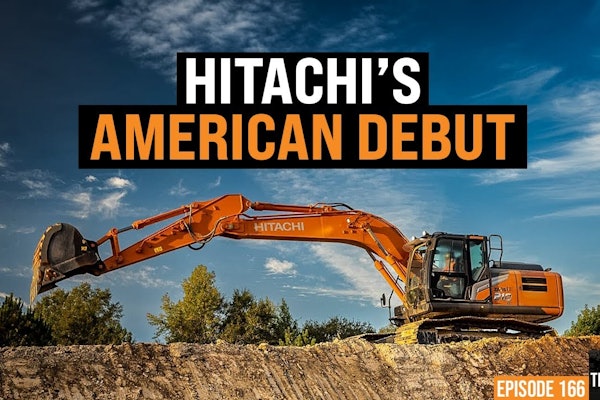
With hybrid equipment, such as the cars International Hybrid Trucks, Komatsu Hydraulic excavators have been recently released, Scharffbillig says. Now equipment is powered by electric, compressed natural gas and propane. This affects how maintenance to the fleet can be done.
“We just had a class with our first responders about electric hybrids,” Scharffbillig says. “We found out that if there is an accident, the hybrids mustbe properly marked to make sure people don’t get hurt or severely shocked. On some of the equipment, you need to be carful with is the Jaws of Life because it could hurt both the first responders and the operators.”
It all goes back to proper maintenance, training and adaptability. The operational schedule of fleets is being stretched longer, so more maintenance is needed. And times have changed. This all has to be considered when developing a preventive maintenance plan and determining an equipment care plan.
“You can’t always do things the way you’ve done them,” Scharffbillig says. “There has been an evolution of equipment. This isn’t your granddad’s equipment. Things have changed, and you need to adapt with it.”
MORE FROM Applications & Innovations
MORE STORIES
POPULAR
COLUMNS
BLOGS
- Rand Paul introduces bill to fund emergency transportation projects475 Views
- Sydney uses water curtains to alert drivers to stop (VIDEO)474 Views
- Tesla Model S earns top ratings from Consumer Reports428 Views
- Big four cellphone companies jointly launch anti-texting campaign261 Views
- Acceptance of connected vehicles depends on cost, LaHood says256 Views