

Applications and Innovations: Take the LEED with Sustainable Landscaping

Creating a sustainable site, it can eliminate some of this urban heat while also serving as part of an important ecosystem along highways and streetscapes.

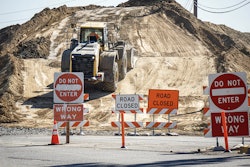
Controls are essential to preventing polluted runoff from roads, highways, and bridges from reaching surface waters, according to the U.S. Environmental Protection Agency (EPA). Erosion during and after construction of roads, highways, and bridges can contribute large amounts of sediment and silt to runoff waters, which can deteriorate water quality and lead to fish kills and other ecological problems, the agency says in its Erosion, Sediment and Runoff Control for Roads and Highways.

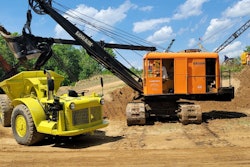
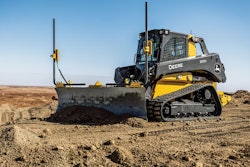
“When a project is constructed with heavy equipment, there is the issue of soil compaction,” Somerville notes. “But if you want to leave part of the landscape that is not covered by hardscape, it will only really operate effectively if you don’t have compacted soil. You’ll be able to grow grass on it, but you won’t have the water infiltration and the biological processes. It will act like an impermeable surface.”

That’s why a plan must be created, and to be a successful sustainable site, the plan must be developed in partnership with all the agencies and groups involved in the design and maintenance of the highways and the landscape surrounding it.v


6 Top Tips: Runoff Control for Roads, Highways, and Bridges

Preventing runoff pollution from road, highway, and bridge construction areas requires planning, education, inspection, and maintenance, says the U.S. Environmental Protection Agency’s (EPA) Office of Water. An erosion and sediment control (ESC) plan that incorporates the most appropriate and cost-effective best management practices (BMPs) is essential, the agency notes. Principles of runoff control for roads, highways and bridges from the U.S. EPA’s Office of Water are:

1. Develop a comprehensive erosion and sediment control (ESC) plan prior to earth-moving activities. Write ESC requirements into plans, specifications, and cost estimates for highway and bridge projects. Four key factors affect the potential for soil erosion from a site: soil characteristics, vegetative cover, topography, and climate.

2. Apply ESC practices to prevent excessive onsite damage. Use ESC BMPs to control the flow of runoff water and thereby prevent or lessen soil erosion. Limiting land disturbance and preserving natural vegetation are excellent ESC practices.

3. Apply perimeter control practices to protect the disturbed area from offsite runoff and to prevent sedimentation damage to areas below the construction site. A sediment and runoff barrier surrounding the disturbed area prevents construction site runoff from moving offsite and fouling surface waters downstream.

4. Keep runoff velocities low and retain runoff on the site. The erosive power of runoff increases dramatically as distance and slope increase. BMPs can be used to effectively control runoff velocity and detain it to remove 80 to 90 percent of the sediment from runoff.

5. Stabilize disturbed areas immediately after final grade has been attained. Any exposed soil is subject to erosion from rainfall, wind, and vehicles. BMPs to stabilize soil should be applied as quickly as possible after the land is disturbed. Temporary stabilization practices include seeding, mulching, and erosion control blankets or mats.

6. Develop a schedule and implement a comprehensive inspection and maintenance program. This principle is vital to the success of erosion control. BMPs must receive regular inspection and maintenance to ensure that they are operating effectively and optimally, both during and after construction.

View Full Article
comments powered by Disqus
advertisement
advertisement
advertisement